
Living Independently as You Age in Place
Planning to age in place secures your finances, healthcare and legal rights, while you continue to live independently in your home.

Planning to age in place secures your finances, healthcare and legal rights, while you continue to live independently in your home.

Understanding the differences between Alzheimer’s and other types of dementia is crucial for early diagnosis and effective planning.

The passing of a loved one often leads to costly family conflicts. Leaving a clear advance directive using death doulas can help.

Cognitive decline, particularly associated with conditions like Alzheimer’s disease, poses significant risks for financial exploitation. This post explores practical estate planning strategies to protect vulnerable individuals when signs of dementia are noticed.

I have been diagnosed with brain damage and dementia. Word to the younger folks: I woke up last year and suddenly could not spell or write legibly. No warning. No symptoms.

While a will is one of the most important estate planning documents you can have, there are things that a will won’t cover.

Even though the death of a loved one comes with unbearable grief, there are important tasks you must carry out as soon as you’re able.

The duration and consistency of exercise is important for all adults to keep their muscles strong and flexible, and is key for a healthy heart.
Lecanemab (sold under the brand name Leqembi) helps reduce amyloid plaques in the brain, which are hallmarks of Alzheimer’s disease. Prevention’s recent article, “All About Lecanemab, the New FDA-Approved Alzheimer’s Drug,” reports that the drug was approved in January under the FDA’s Accelerated Approval pathway. This process allows the organization to approve drugs for serious…
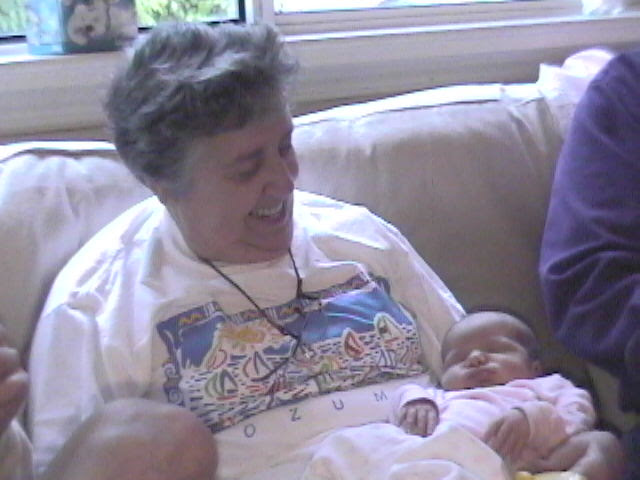
My Mother has been the rock in my world since I was born and was always a loving, firm presence, who delivered wisdom to me. Not always solicited. I have always known she wanted only the best for me. She was a guide, mentor, and also the dearest friend.