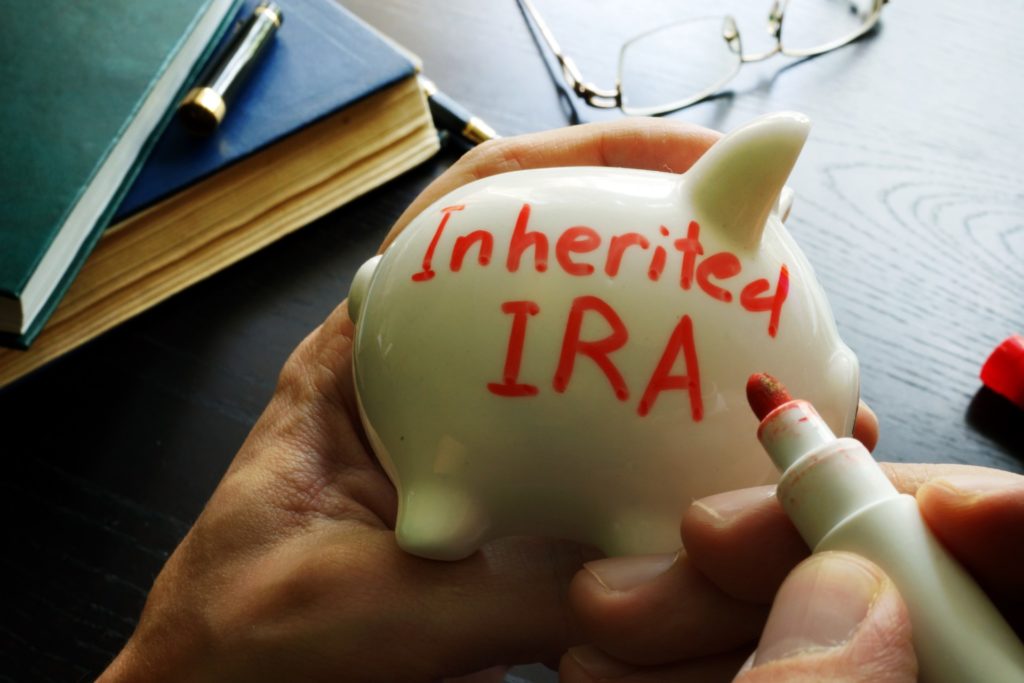
An Inherited IRA Shouldn’t Be Handled Poorly
Important planning opportunities can be lost by moving retirement accounts too quickly after someone dies, as we can’t put accounts back once they have taken.
Call us Anytime
Laurel, MD 20707
Downs Law Firm, P.C.
Home • Beneficiary
Important planning opportunities can be lost by moving retirement accounts too quickly after someone dies, as we can’t put accounts back once they have taken.
Business owner estate planning: if you don’t plan, the government will gladly distribute your assets. Years ago, a friend of mine told me of his final moments with his father. He was in the hospital signing documents with the lawyer and his father. Dad was on his deathbed, dying several hours later. The family business went to him, as he had worked in it for over two decades. It was what he had been promised all along, but he did not make the final time with his Dad as he would have wanted. If that hadn’t happened, state law would have controlled, leaving promises unkept. Dying intestate will result in your state of residence deciding where your assets will go. However, it doesn’t have to be like that because creating an estate plan will leave the decision in your hands, according to KREM.com in “Head off a small-business skirmish: Draw up your will or estate plan today.” Here’s a tale from another law office that makes it all very clear. What happens to a business owner’s estate when they die? If he had never completed his divorce from his first wife after 20 years, he would have been in a relationship with another woman for 10 years, and they would have had two children together. Since he never divorced his wife, she would have inherited his business. No one likes to consider that they will die, or in this case, that it is time to deal with their marital status. He probably thought he had plenty of time to plan. However, the result was not pretty. Here’s how you can avoid your unintended consequence: Preplan. A business owner’s estate plan should be thorough, so your property, family, and business will be protected if you should become incapacitated or die. You’ll need the following: Disability insurance is a relatively affordable product that replaces up to 60% of your income if injury or illness prevents you from working. Life insurance. Consider the cost of providing food, shelter, education, and care for your family. How would that be replaced if you died tomorrow? Life insurance can also keep a business alive after the owner dies. Proceeds can be earmarked in your estate plan to meet business costs and spare your loved ones from selling the business for a low amount because they need to raise funds fast. Create a succession plan. How will your business go forward without you? Have your documents prepared. Hire an estate planning attorney who can protect your business and your family. Here’s what you’ll need: A will and/or a trust. You need a will, especially if you have small children. This is because you’ll want to name guardians for them. A will does go through probate. A valuation of the business for itself may far exceed the cost of keeping it out of court with a trust. Your estate planning attorney will create a plan that fits your needs. Health care directives. If you are unable to make

This article discusses some of the advantages and strategic considerations of sharing estate planning details with the next generation, or “Letting the Cat Out of the Bag”
While a will is one of the most important estate planning documents you can have, there are things that a will won’t cover.

Early in 2024, you should communicate with your advisers and review several items about your 2023 planning, if that planning is to have any likelihood of succeeding.

Few will argue that the most important time to have a will is when you are parents of young children.
These agents take over your affairs in specific areas, if you become physically or mentally incapacitated.

There are many stories of strange conditions in wills and trusts over time. For example, the German poet Heinrich ‘Henry’ Heine died in 1856 and left his estate to his wife, Matilda, on the condition that she remarry, so that ‘there will be at least one man to regret my death’.

This legal document can also be beneficial in many situations, such as if you want to leave an inheritance to someone but aren’t sure they will use the gift wisely.

Beneficiaries, in general, are people or entities that the holder of an account designates to receive the assets in the account, typically, in the event of the account holder’s death.